
Cybersecurity is often framed as a technical battlefield, one defined by code, complex systems, and evolving threats. But behind every framework, risk assessment, and security program are people navigating careers that rarely follow a straight path.
During a recent Women in Cyber roundtable, Kelsey Cunningham, Alyson Pisarcik, Gissette Mendoza, and Lindsay Grossman shared their perspectives on building careers in cybersecurity, the skills that actually matter, and the importance of supporting the next generation entering the field. While their experiences varied, the conversation revealed several themes about how careers in cybersecurity really unfold.
The Most Underrated Skill in Cybersecurity: Adaptability
One of the first misconceptions the group addressed was the idea that cybersecurity is only for deeply technical professionals.
Kelsey Cunningham explained that while technical roles certainly exist, the industry often overestimates the importance of deep technical specialization.
“I think one of the most overrated ideas is that you need really deep technical knowledge to work in cybersecurity. There are roles where that is absolutely necessary, like if you are coding or doing penetration testing. But for many positions, that level of technical depth is not the deciding factor.
What really matters is adaptability and a willingness to learn. Cyber moves so quickly that if someone is not keeping up with the times, it becomes hard to stay effective.”
Gissette Mendoza echoed this perspective, reflecting on how many of her existing skills translated into cybersecurity when she transitioned into the field.
“When I transitioned from supply chain into cybersecurity, I was actually surprised by how many of the skills I already had were still relevant. Things like problem solving, continuous improvement, reacting quickly when something changes.
Those are things you develop in operations and they translate directly into cybersecurity work. It really made me realize that cybersecurity is broader than people think.”
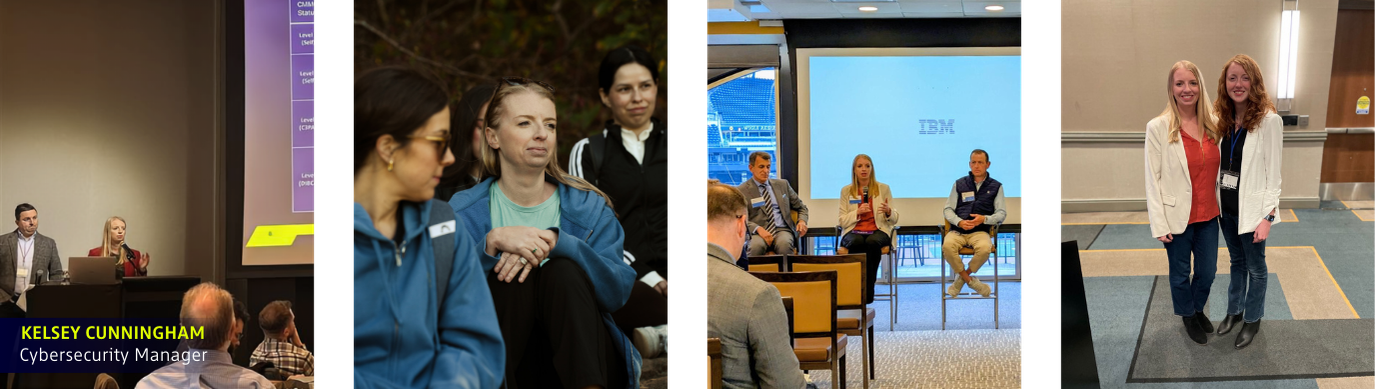
Cyber Careers Rarely Follow a Straight Line
Another theme that surfaced repeatedly was the non-linear nature of cybersecurity careers. Many professionals in the field arrive through unexpected paths, and the roundtable participants were no exception.
Cunningham described her own journey as anything but traditional.
“If I had to describe my career in one word, it would probably be a labyrinth. I did not climb a ladder in a straight line. I went up a couple levels, then took a step back to get better work life balance. I made lateral moves, pivoted roles, tried things that were not the right fit.
There were definitely dead ends where I realized something was not what I wanted to do long term. But every one of those turns helped me figure out where I actually belonged.”
For Mendoza, taking chances, even when the outcome is uncertain, has been a defining part of her professional journey.
“My career has been thrilling. There have been moments where I had to take a leap of faith and just trust that I would learn along the way. Sometimes you do not know exactly what the outcome will be, but you take the opportunity anyway because you know it will help you grow.”
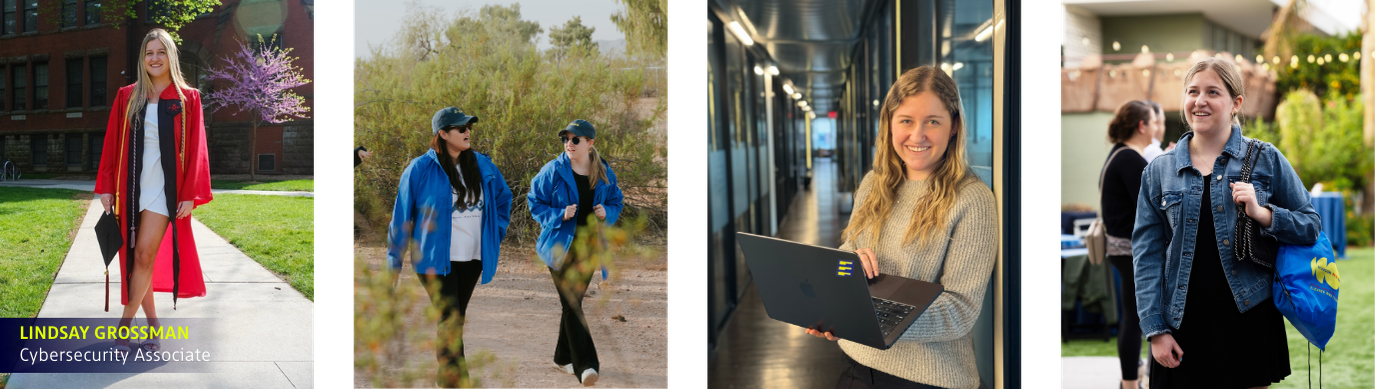
Learning Cybersecurity Happens Outside the Classroom
In cybersecurity, learning never stops. New technologies, new threats, and new regulations mean professionals are constantly adapting.
For Lindsay Grossman, collaboration and hands-on experience have been essential to navigating that learning curve.
“I feel like every month I am learning something new. There is so much exposure to different kinds of projects and different parts of cybersecurity that you cannot really get that experience from school alone.
What really helps is that everyone on the team is willing to work together. Nobody feels uncomfortable asking questions or admitting when they do not know something.”
That environment of openness allows people to develop confidence while continuing to expand their skills.
OUT: Competing, IN: Supporting
The group also spoke candidly about the importance of women supporting each other within the industry.
Cunningham reflected on how meaningful that kind of support can be.
“One thing I think should definitely be ‘in’ is women supporting each other. Earlier in my career, I worked with women leaders who were not supportive, and that can make things much harder.
What is different here is that people genuinely want to help each other succeed. It does not feel competitive. It feels collaborative.”
Alyson Pisarcik emphasized how transparency within a team can help everyone grow.
“Nobody knows everything in cybersecurity. There are always going to be things you have not encountered before. Being able to say, ‘I don’t have experience with that regulation, can we look it up together?’ without feeling judged makes a huge difference.”
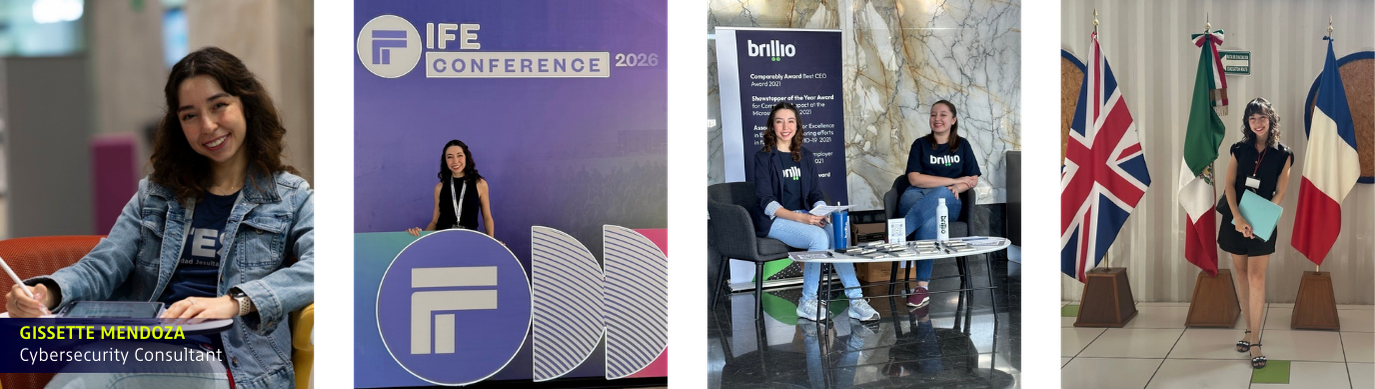
You Cannot Be What You Cannot See
For Mendoza, one of the most important ways to strengthen the cybersecurity field is by encouraging others to explore it.
“I would love to see more women inspiring others to join cybersecurity. When younger people ask how they can get into the field, it is important that they have examples to look at.
When people see someone doing the work and talking about it, they start to realize that it is something they could do too.”
Because cybersecurity spans so many different disciplines, exposure is often the first step.
“The field is so broad. You have technical roles like penetration testing, but you also have governance, auditing, and risk advisory. The more people understand those different paths, the more opportunities they can see for themselves.”
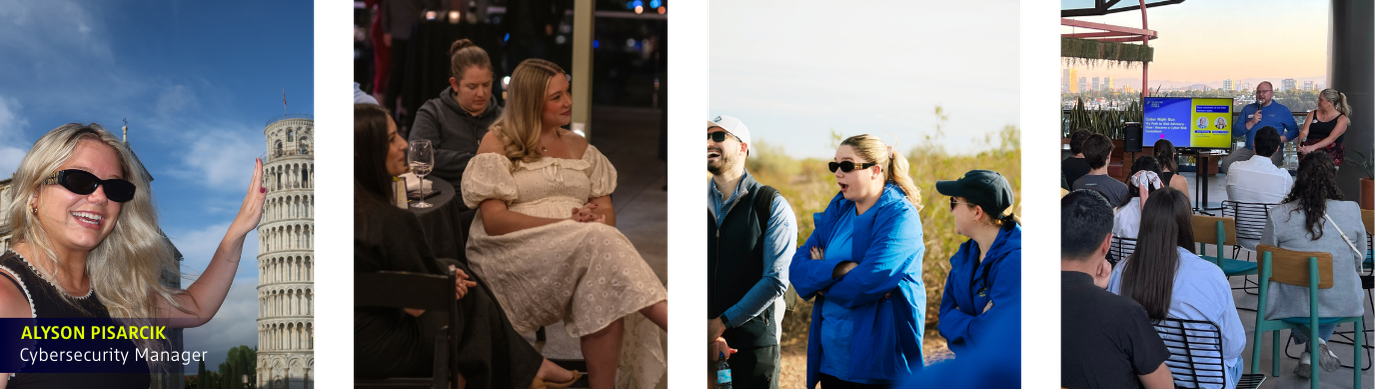
The Mindset That Helps You Thrive in Cyber
At the end of the roundtable, each participant reflected on the mindset that has helped them grow in their careers.
For Pisarcik, enthusiasm has been a guiding principle:
“Even on difficult days, I try to show up with energy and say, ‘Let’s figure this out together.’ Sometimes things don’t go perfectly, but you stay calm and keep working through it. That attitude helps you keep moving forward.”
For Grossman, the experience has been defined by constant growth.
“Every new project or certification adds another layer to what I understand about cybersecurity. It is a field where you are always learning.”
Looking Forward
Cybersecurity will continue evolving as organizations become more digital and threats become more sophisticated.
But the future of the field will not just depend on new tools or stronger defenses. It will depend on the people building careers in it.
Conversations like this roundtable matter because they make the path visible. When women share their experiences, the challenges, the pivots, the growth, it helps others see that there is space for them here too.
The paths into cybersecurity may be different for everyone, but one thing is clear. When women support each other, share what they have learned, and invite others into the field, the entire industry becomes stronger.
And for the next generation of women curious about cybersecurity, that invitation can make all the difference.